
Introduction:
When starting your SEO journey in Nepal, one of the most important steps is how to find low competition keywords for beginners. These keywords are specific search phrases that are easier to rank for than highly competitive terms, making them perfect for new websites or blogs. By targeting low-competition long-tail keywords, beginners can attract the right audience, grow organic traffic, and build a strong foundation for their SEO strategy. In this article, you’ll learn step-by-step methods to identify these keywords, use the right tools, and create content that ranks on Google—even if you’re just starting out.

When I first started learning SEO, one of the biggest challenges I faced was finding keywords that a new website could actually rank for. Many beginners in Nepal try to target highly competitive keywords, but they quickly realize that large websites dominate those search results. This can feel discouraging and make people think SEO is too difficult to succeed in.
However, the truth is that every successful SEO journey begins with understanding how to find low-competition keywords. These keywords give small and new websites a real opportunity to appear on Google search results and attract visitors.
In this article, I will explain how beginners in Nepal can find low-competition keywords step by step. If you are starting your SEO journey and want your website to grow steadily, learning this strategy can make a big difference.
What Are Low-Competition Keywords?
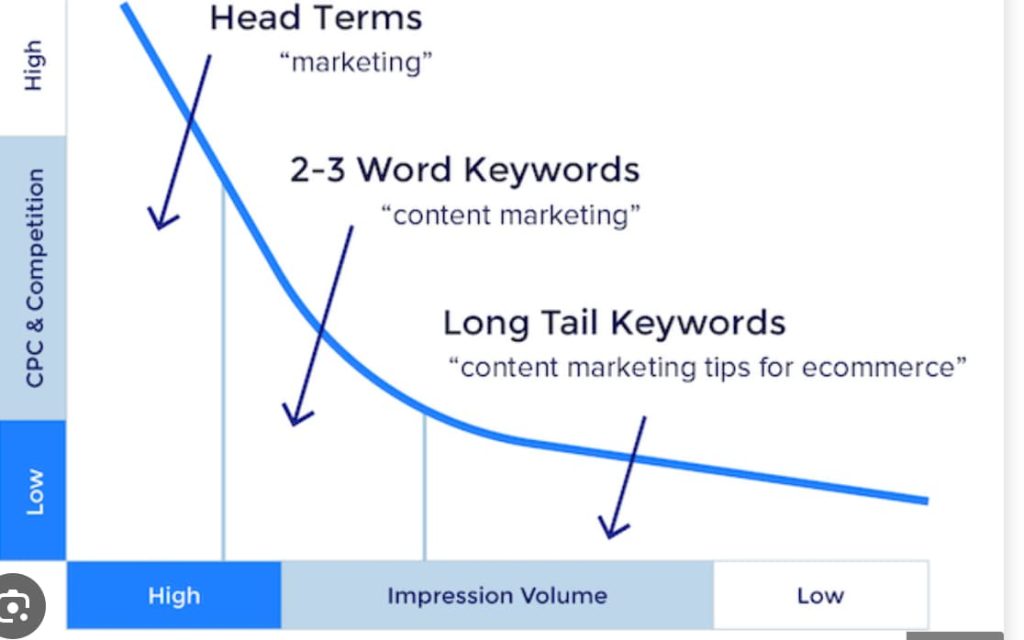
For beginners in Nepal, low-competition keywords are search phrases that few websites are targeting, making it easier to rank your blog or website on Google. Unlike broad, highly competitive keywords such as “SEO” or “travel Nepal,” these keywords are more specific and precise, which allows smaller sites to appear in search results faster.
There are several types of low-competition keywords beginners can focus on:
- Long-tail keywords: These are longer phrases, usually three or more words, that capture very specific user intent. For example, “best trekking shoes for Annapurna trek Nepal” targets a niche audience and is easier to rank for than “trekking shoes.”
- Location-specific keywords: Adding a city or region like “Pokhara,” “Kathmandu,” or “Thamel” makes the keyword more local and less competitive, e.g., “budget cafes Thamel Kathmandu.”
- Question-based keywords: Many users type questions into Google, such as “how to renew passport in Nepal,” which gives beginners an opportunity to create helpful content.
- Niche-specific keywords: Targeting very specific topics, products, or services, such as “Gurkha cheese price Nepal,” often has low competition but strong user intent.
By focusing on these types of keywords, beginners can reach a Nepalese audience effectively, attract organic traffic, and grow their online presence without competing with major websites.
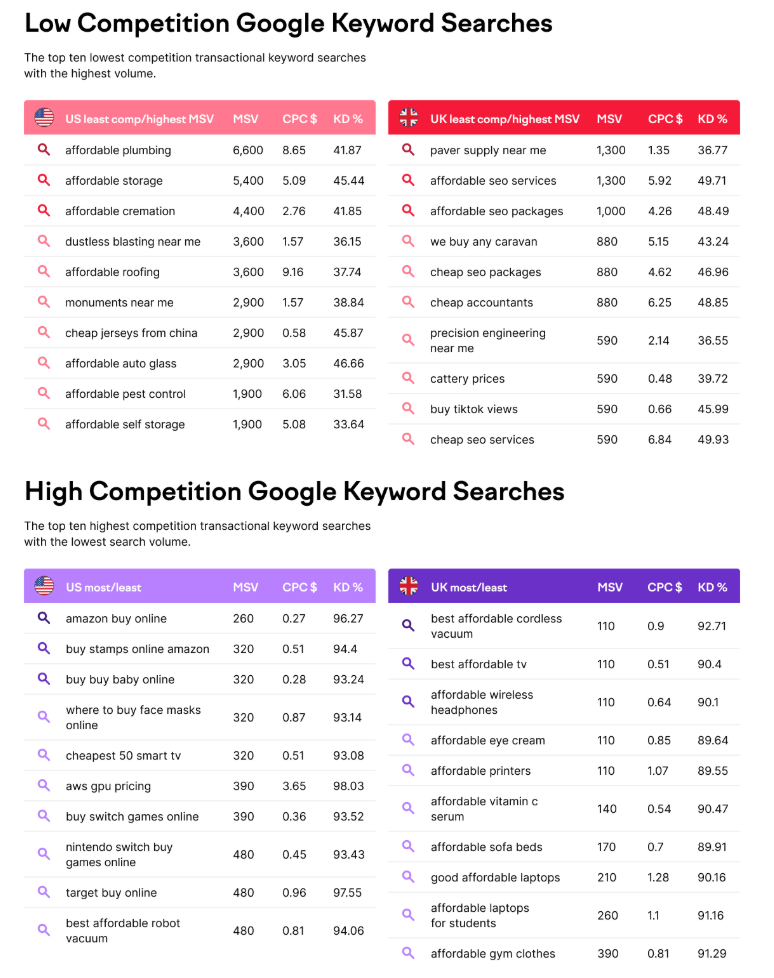
In this diagram, you can see the differences between low-competition vs High competition keyword:
3. Why Beginners in Nepal Should Use Them
- Easier to rank quickly: Low-competition keywords are less crowded, so even a new blog can appear on the first page faster.
- Small blogs can compete with big sites: You don’t need a huge budget or hundreds of posts to get noticed—local, specific keywords give smaller blogs an advantage.
- High local relevance: Targeting keywords like “affordable trekking gear in Pokhara” or “best momo in Kathmandu” ensures your content reaches the right audience.
- Cost-effective SEO strategy: Since these keywords are easier to rank for, you spend less on paid ads or backlink campaigns.
- Build authority gradually: Starting with easier terms helps your blog gain credibility, making it easier to rank for more competitive keywords later.
- Steady traffic growth: Local audiences searching for relevant topics are more likely to engage, subscribe, or share your content.
- Better engagement & conversions: Visitors who find exactly what they’re looking for are more likely to stay longer, read more posts, and trust your recommendations.
- Opportunities for content expansion: When you learn how to find long-tail keywords for beginners in Nepal, each low-competition keyword can serve as a mini-topic cluster for your blog. By creating multiple articles around these related keywords, you naturally build topic authority and improve your local SEO in Nepal. For example, a single keyword like “budget trekking gear Pokhara” can lead to several posts: gear reviews, trekking tips, and packing checklists.
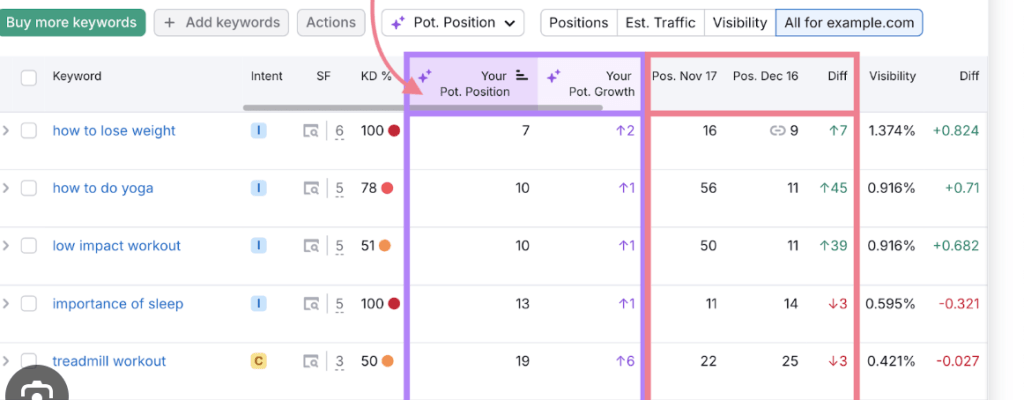
You can see the Ranking Example in this Diagram:
4. Tools to Use for Keyword Research
For beginners in Nepal, choosing the right keyword research tools can make SEO much easier and more effective. Here are some of the best free options:
- Google Keyword Planner: Ideal for finding search volumes and competition levels. You can filter results by location, like Nepal, and discover local phrases your audience is searching for.
- Google Trends: Shows trending topics over time. Use it to identify seasonal keywords or rising search terms in Nepal. For example, trekking gear searches spike during tourist season.
- AnswerThePublic: A great tool for uncovering questions, prepositions, and comparisons people search for. It helps you create content that directly answers user queries in Nepal.
- Ubersuggest (free tier): Provides keyword suggestions, search volume, and SEO difficulty scores. The free version is enough for beginners to identify low-competition local keywords.
- Google Search Console: Monitors your website’s performance, showing which keywords already bring traffic. You can optimize content around keywords that are gaining impressions but have lower click-through rates.
Using these tools together gives a full view of what Nepali audiences are searching for, from trending topics to evergreen local queries. Beginners can combine them to find low-competition keywords, track performance, and plan content that has the highest chance of ranking quickly. By focusing on local relevance, small blogs can effectively compete and grow their audience steadily.
5.Step-by-Step Guide: How to Find Long-Tail Keywords for Beginners in Nepal
Finding the long-tail keywords for beginners in Nepal is crucial for ranking your blog, especially for beginners in Nepal. Here’s a simple, step-by-step process to guide you:
- Brainstorm Seed Topics
Start by listing broad topics relevant to your niche and local audience. Think about what Nepali users might search for. Examples include: “budget travel Nepal,” “momo restaurant Thamel,” or “passport renewal Kathmandu.” These seed topics form the foundation for your keyword research. - Use Tools to Generate Keywords
Once you have seed topics, use free tools like Google Keyword Planner, Google Trends, AnswerThePublic, Ubersuggest, or Google Search Console to generate long-tail keywords, questions, and related search phrases. This expands your list with ideas your audience is actually searching for. - Check Search Volume and Competition
Review each keyword’s search volume and SEO difficulty. Focus on keywords that have moderate traffic but low-to-medium competition, as these are easier for beginners to rank for, especially for local searches in Nepal. - Analyze Local Search Results
Manually check Google Nepal to see which blogs are already ranking. Look for results where small blogs or niche sites appear, as this indicates lower competition. This step helps you validate the feasibility of targeting each keyword. - Pick Keywords with Clear Intent
Select keywords that match what users are searching for and align with your content. Focus on queries that show clear intent, whether informational (“how to apply for a passport in Kathmandu”) or transactional (“best momo restaurant Thamel”).
Following this logical process ensures your blog targets low-competition, highly relevant keywords, giving you the best chance to rank and attract the right Nepali audience. Over time, repeating this process helps you build authority and grow your blog steadily.
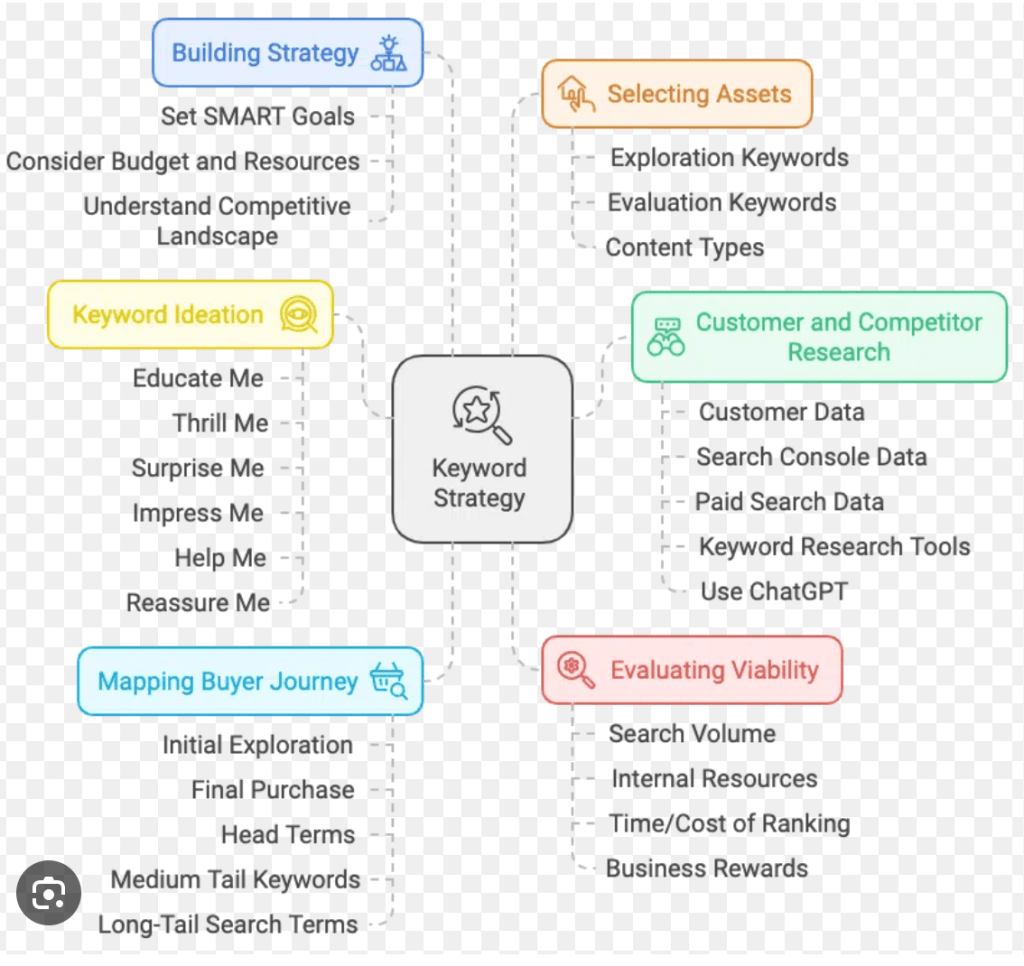
Flow chart of keyword Strategy:
6. Examples of how to find Low-Competition Keywords for beginners in Nepal
For beginners, seeing actual examples helps understand what low-competition keywords look like. Here are 12 ready-to-use examples across different niches in Nepal:
Travel:
- budget travel Nepal
- trekking gear Pokhara
- cheap homestay Annapurna
Food & Restaurants:
- momo restaurant Thamel
- vegan cafes Kathmandu
- local street food Lalitpur
Technology & Gadgets:
- best smartphone under 20000 NPR
- laptop repair Kathmandu
- affordable gaming accessories Nepal
Education & Learning:
- online IELTS classes Nepal
- scholarship for Nepali students
- coding courses Kathmandu
Lifestyle & Services:
- yoga classes Pokhara
- cheap printing services Kathmandu
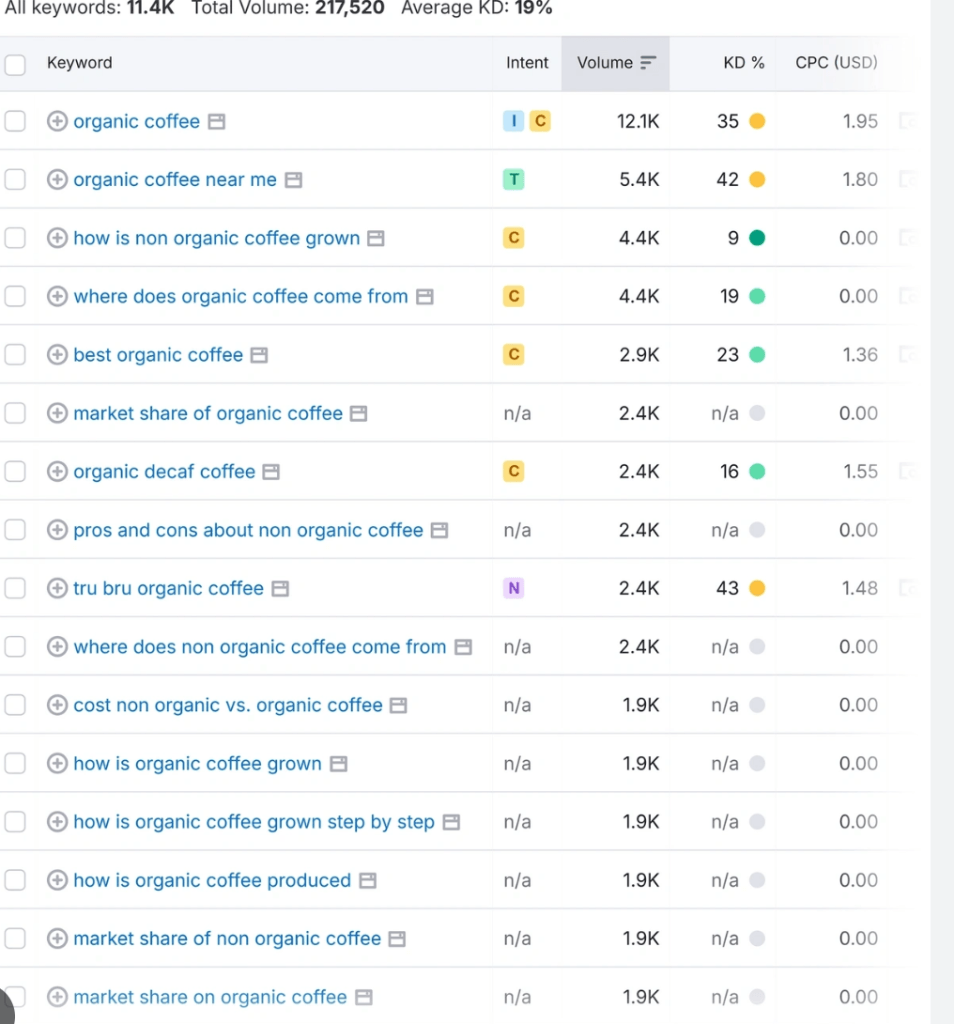
These keywords are generally easy to rank for, have local relevance, and target specific user intent. Beginners can start by creating blog posts or guides around these phrases and gradually build authority. You can see some low-competition keyword in below diagram:
7. Tips for Beginners
When starting keyword research in Nepal, following a few simple strategies can make your efforts more effective:
- Use Local Modifiers: Include city names, districts, or regions in your keywords. For example, “best momo restaurant Thamel” or “trekking gear Pokhara”. This increases local relevance and reduces competition.
- Focus on Long-Tail Questions: People often search using questions. Phrases like “how to apply for passport in Kathmandu” or “affordable yoga classes Pokhara” target specific user intent and are easier to rank for than broad keywords.
- Update Your Keyword List Regularly: Search trends change over time, so revisit your list every few months. Use tools like Google Trends or Search Console to find new opportunities and remove outdated keywords.
- Analyze Your Competitors Locally: Check which small blogs in Nepal are ranking for your target keywords. This helps you identify realistic opportunities and content gaps.
Following these beginner-friendly tips ensures that your keyword research is targeted, actionable, and locally relevant, giving your blog the best chance to rank and attract the right audience.
8. Conclusion
Targeting low-competition keywords is essential for new bloggers in Nepal, and learning how to find long-tail keywords for beginners in Nepal can make a huge difference in your ranking strategy. These keywords are easier to rank for, highly relevant to local audiences, and allow small or new blogs to compete with larger sites. By focusing on long-tail phrases, local modifiers, and user questions, beginners can attract the right audience while gradually building authority.
The key is to practice consistently: brainstorm seed topics, use free keyword research tools, analyze local search results, and update your list regularly. Every small step helps you understand your audience better and improves your chances of ranking on Google.
Starting your SEO journey may feel overwhelming at first, but every successful website began with a single step. You don’t need perfect knowledge or expensive tools to begin—what matters most is taking action and learning along the way. By focusing on low-competition keywords, beginners can slowly build confidence, gain experience, and start seeing their content appear in search results. Even small progress, like publishing your first article or finding your first keyword opportunity, is a meaningful step forward. Stay curious, keep practicing, and remember that consistent effort today can lead to real growth in the future. Your SEO journey starts now—so take that first step and keep moving forward.
“Have you read our first guide on On-Page SEO for beginners in Nepal? Discover how to find low-competition keywords in Nepal to boost your rankings!”